


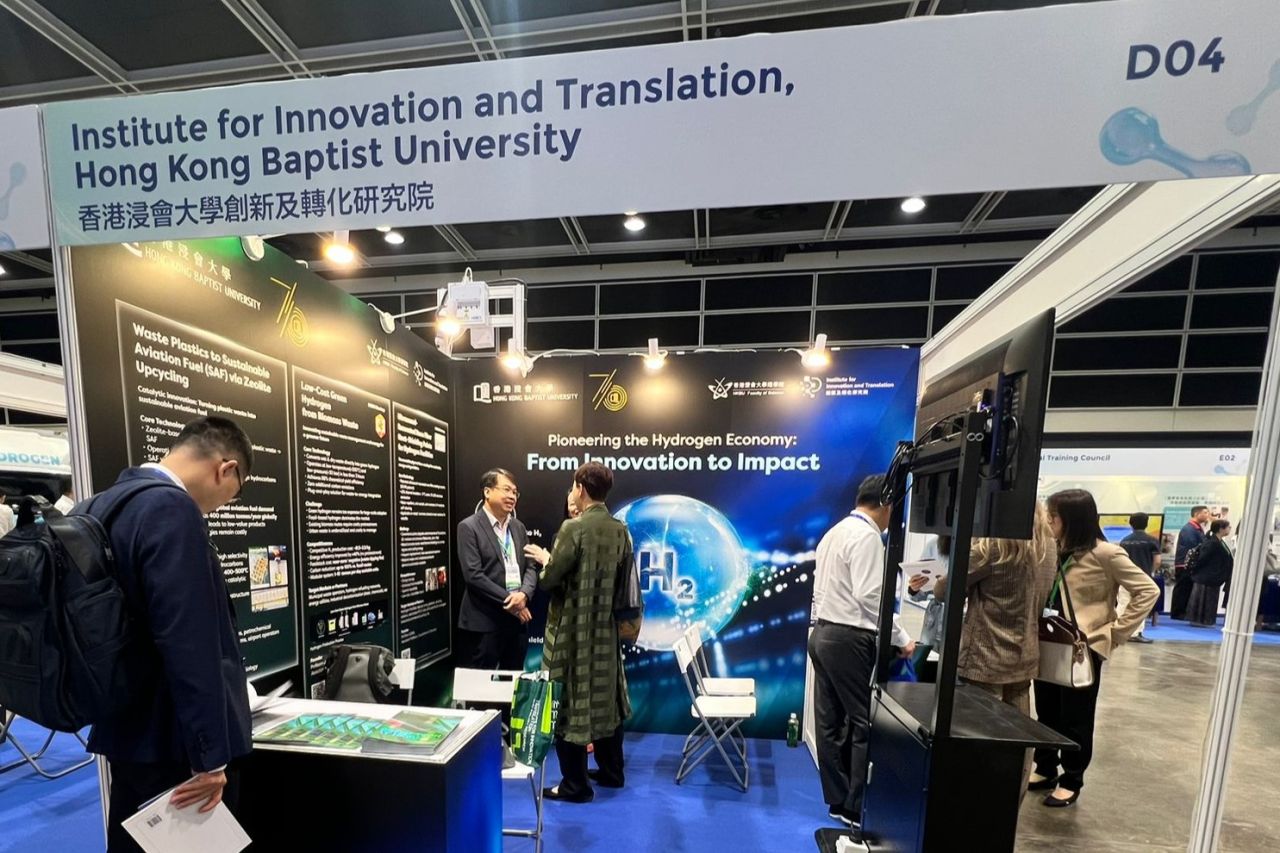
How 180°C–200°C Low-Temperature Catalysis Minimizes Urban Risk and Aligns with Imminent HKSAR Legislation.
In the deep-tech sector, true market leadership isn't just about laboratory data—it is about active, real-world momentum and regulatory alignment. With the HKSAR government introducing critical new subsidiary legislation within 2026 to govern the importation, manufacture, storage, and safe use of hydrogen fuel under the Gas Safety Ordinance, industrial operators face an urgent compliance directive. As reported by RTHK News, this legal framework aims to safely manage infrastructure as the city pushes to halve carbon emissions before 2035.
Against this backdrop of tightening urban safety laws, the proprietary infrastructure developed at BioH2 Technology stands at the frontier of market readiness. The breakthrough environmental catalysis research pioneered by Professor Zhao Jun was officially showcased by the HKBU Institute of Innovation and Talent (IIT) (View the official post on LinkedIn)—proving that as Hong Kong builds its regulatory framework, our team provides the safest, lowest-temperature operational solution on the market.
1. Bypassing the High-Heat Safety Barrier
While Hong Kong expands its energy horizon with 37 active or preparing hydrogen energy trial projects, scaling traditional high-heat, high-pressure infrastructure introduces intense regulatory headwinds and extensive CAPEX requirements for specialized alloys to mitigate catastrophic failure risks in dense urban spaces.
The decentralized modules engineered via our proprietary Low-Temperature Core offer a radically distinct paradigm. Operating inside a mild 180°C to 200°C spectrum, our heterogeneous catalyst reforms complex municipal waste at a fraction of the thermal load normally required by global competitors. By keeping the thermal footprint low, we dramatically de-risk the manufacturing phase. This low-temperature blueprint offers municipal and industrial developers a clear path through Hong Kong's upcoming safety and manufacturing vetting processes.
2. Defeating Catalyst Poisoning to Guarantee Purity
Feedstock variability represents a massive financial barrier for urban green hydrogen projects. When processed in standard high-heat reactors, post-consumer polymers decompose into volatile compounds that blanket active catalytic surfaces—a phenomenon known as catalyst poisoning.
Professor Zhao’s Alkaline Co-Hydrothermal Valorisation model actively thrives on these complex streams. The process achieves a 90% reduction in the microplastic load directly within the input matrix. By eliminating synthetic polymer interference at an early stage, the system maintains stable, continuous hydrogen generation without fouling the reactor. This structural durability directly supports the high-purity standards ≥ 99.97% that Hong Kong’s upcoming certification frameworks aim to enforce.
3. The Frontier Advantage: Ecosystem Trust
Being an active pioneer means solving safety and compliance issues before the rest of the market even acknowledges them. Through the active translational support of HKBU IIT, our project tracking framework provides the market with an asset-light, regulation-ready technology built explicitly for the future of the GBA green economy.
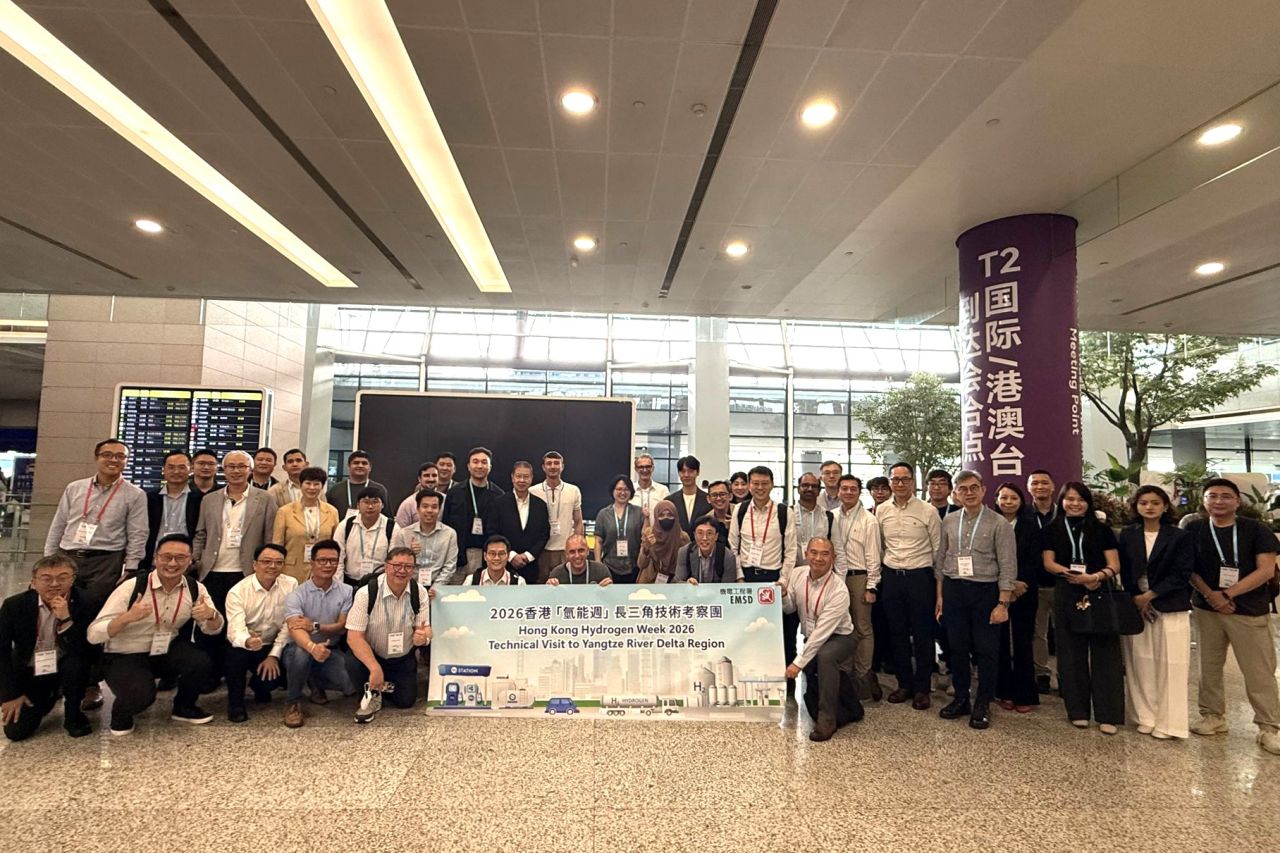 ITT representives joining a technical visit to the Yangtze River Delta Region
- For a broader look at how temperature impacts hydrogen economics, explore more insights
- If you’re evaluating waste-to-hydrogen deployment, inquire about a pilot project.
Align your operations with the future of GBA hydrogen infrastructure
As Hong Kong finalizes its comprehensive low-carbon hydrogen guidelines, secure your competitive edge by deploying a safer, university-backed waste-to-resource solution. We are currently scheduling feedstock compatibility studies and pilot program consultations for municipal waste managers and industrial developers.